The Journal17 · Cycling

FTP Calculator for Cyclists: 5 Ways to Estimate Functional Threshold Power (2026)

June 11, 2026
10 min read

FTP from a 20-minute test, an 8-minute test, a ramp test, or a race file. Which method is most accurate, and how to use the number once you have it.

B
Breno Melo
Head Coach · Boston · 12× BQ
FTP Calculator for Cyclists: 5 Ways to Estimate Functional Threshold Power (2026)
Plate 01Cycling
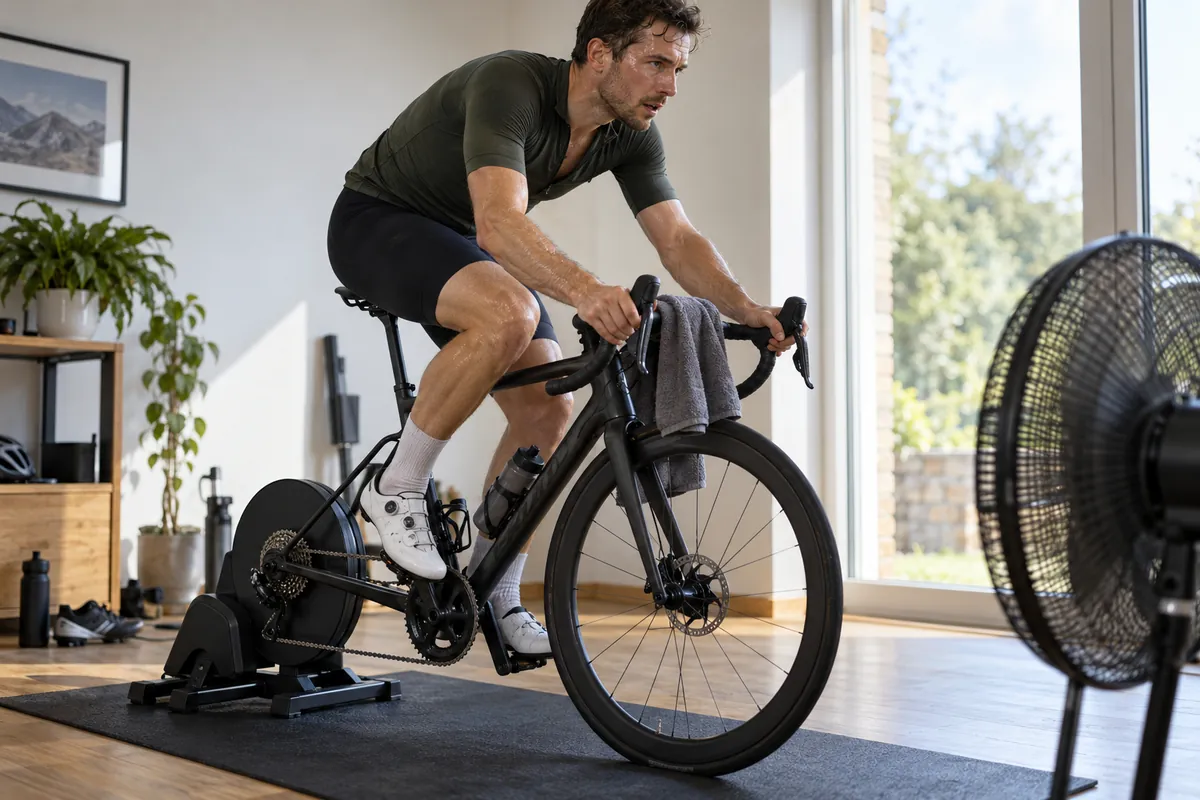
Figure 01 — FTP Calculator for Cyclists: 5 Ways to Estimate Functional Threshold Power (2026).

Functional Threshold Power (FTP) is the single most important number in cycling training. It's the wattage you can theoretically hold for one hour at maximum sustainable effort — and it's the anchor for every power zone you train in. The catch: no one actually rides flat-out for an hour to find it. We estimate. Here are the five methods that work, ranked by accuracy and what each one costs you in legs.

Method 1: The 20-minute test (most popular)

Ride 20 minutes as hard as you can sustain. Take the average power for those 20 minutes and multiply by 0.95. That's your FTP. The 5% discount accounts for the fact that you can hold a higher average for 20 minutes than for 60.

How to execute it

  1. 0115–20 min warm-up with 3× 1 min openers at 110% of estimated FTP
  2. 025 min easy spin
  3. 035 min all-out hard effort (clears the anaerobic system)
  4. 0410 min easy spin
  5. 0520 min maximum sustainable effort — start conservative, build the last 5 minutes
  6. 0610 min cool-down

Method 2: The 8-minute test (Sufferfest classic)

Two 8-minute all-out efforts with 10 min recovery between. Take the average power of the higher of the two, multiply by 0.90. Less specific than 20-min but more accessible for time-crunched athletes.

Method 3: The ramp test (Zwift/TrainerRoad standard)

Start at 100W and add ~20W per minute until you can't continue. Take 75% of your peak 1-minute average power. Fastest test (under 25 minutes), but tends to over-estimate FTP for highly anaerobic riders and under-estimate it for diesel-engine endurance types.

Method 4: 95% of a real race (gold standard if you have one)

If you raced a 40 km time trial or a hilly road race in the last 4 weeks, take your best 60-minute average power. That IS your FTP — no estimation needed. This is the most accurate method, but requires recent race data.

Method 5: Critical Power model (most accurate, most data needed)

Plot your best efforts for 3, 5, 10, and 20 minutes from the last 6 weeks. WKO, Intervals.icu, and Golden Cheetah will fit a critical power curve and return a CP value that's typically 2–4% higher than your 20-min × 0.95 FTP. CP is the more physiologically meaningful number, but FTP is the convention everyone trains by.

FTP isn't the goal — it's the gauge. Most riders fixate on the number when they should fixate on the time spent at it.

Use the Lovable FTP Calculator

Our free FTP Calculator handles all five methods. Plug in your 20-min average, your 8-min average, or your ramp peak, and it returns FTP plus all seven power training zones. Save the output and re-test every 6–8 weeks during a build.

Power zones from FTP

  • Zone 1 (active recovery): under 55% of FTP
  • Zone 2 (endurance): 56–75% of FTP
  • Zone 3 (tempo): 76–90% of FTP
  • Zone 4 (threshold): 91–105% of FTP
  • Zone 5 (VO2max): 106–120% of FTP
  • Zone 6 (anaerobic capacity): 121–150% of FTP
  • Zone 7 (neuromuscular): 150%+ of FTP, short bursts

How often to re-test

Every 6–8 weeks during a build. Every 4 weeks if you're new to structured training and improving fast. Don't test in race week, hot weeks, or coming back from illness — you'll set a low anchor and under-train for the next two months.

Frequently asked

Questions athletes ask about this

What is FTP in cycling?
FTP (Functional Threshold Power) is the highest average wattage you can theoretically sustain for one hour. It's the anchor for all power-based training zones and the standard benchmark for cycling fitness.
How do I calculate FTP without a power meter?
You can't truly calculate FTP without a power meter, but you can estimate effort zones from heart rate or RPE. To use FTP-based training, you need an indoor smart trainer, a power-meter pedal/crank, or a smart-trainer ride in Zwift or TrainerRoad.
Is the 20-minute FTP test accurate?
Yes — when executed correctly. The 20-min average × 0.95 method correlates within 3–5% of a true 60-minute time trial for most trained cyclists. Accuracy drops if you're new to all-out efforts or pace it poorly.
What's a good FTP for a recreational cyclist?
A 2.5–3.0 W/kg FTP is a solid recreational target. 3.0–3.5 W/kg is a competitive Cat 4–5 racer. 4.0+ W/kg is Cat 1–2 territory. Elite men are 5.5+ W/kg, elite women 5.0+ W/kg.
Can I do an FTP test on a regular road bike outdoors?
Yes, but it's much harder to execute cleanly because of wind, hills, and traffic. Most cyclists test on a smart trainer or a long, steady climb to control variables. If outdoor, pick a 20-min loop you know cold.
How often should I re-test my FTP?
Every 6–8 weeks during a training build, or every 4 weeks if you're new to structured power training. Don't re-test in race week or when fatigued — you'll set a low anchor and under-train for two months.
From the coach

Want this kind of thinking applied to your training?

Free 20-minute call. We'll talk about your race, your timeline, and whether 1:1 coaching is the right next step.

Book a discovery call
B
About the author
Breno Melo

Endurance coach since 2015. RRCA-certified, USAT Level II, TrainingPeaks Level 2. 12× Boston Marathon qualifier. Based in Fenway, Boston — coaching athletes worldwide in English, Portuguese, and Spanish.

Read full bio
Read next →

FTP Explained: What Functional Threshold Power Means and How to Test It Right

FTP is the most over-tested, most misunderstood number in cycling. Here's what it actually represents, the three testing protocols that work, and how to use it to train.

Cycling · 8 min read
FTP Explained: What Functional Threshold Power Means and How to Test It Right