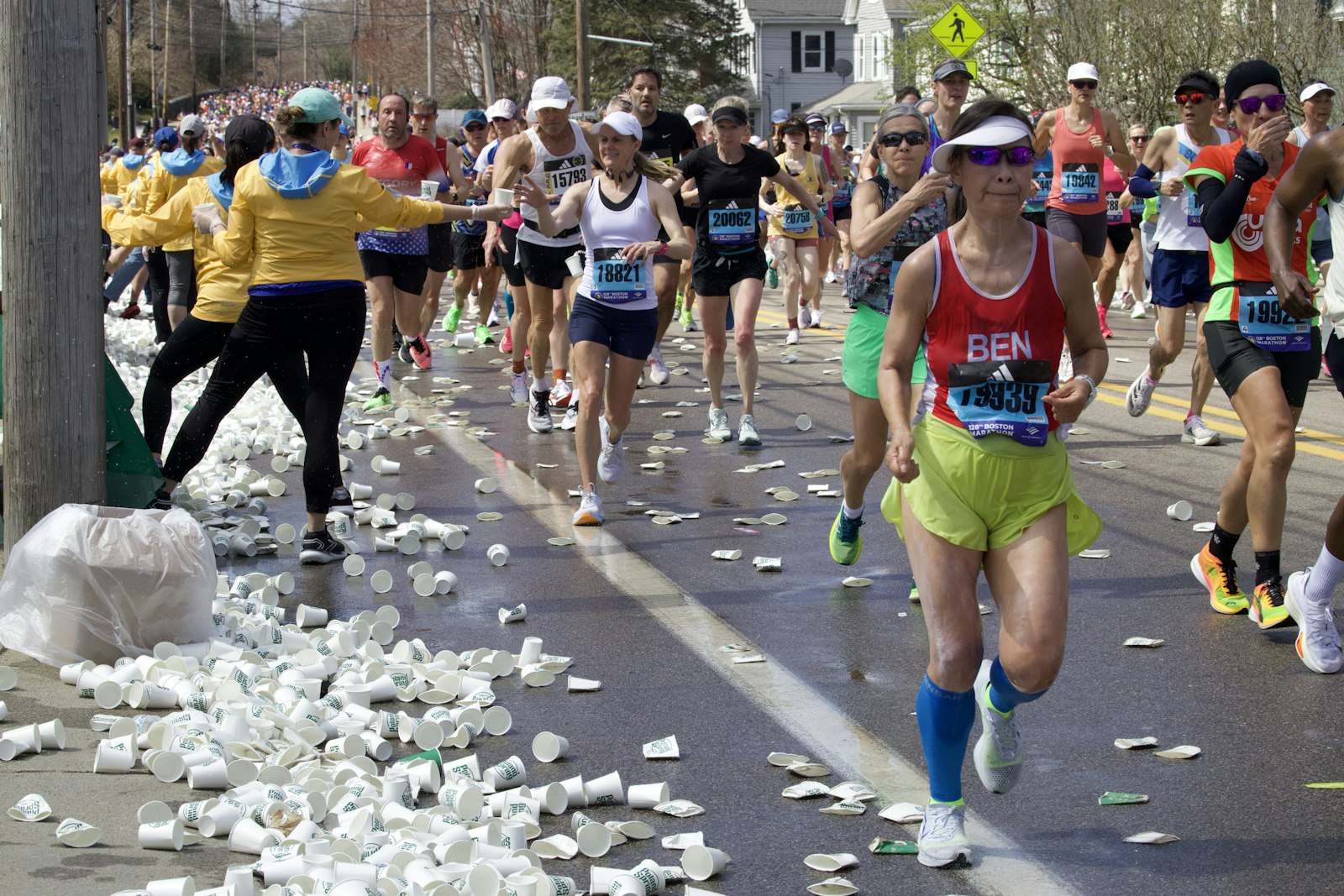
Heat Acclimation Protocol: 14 Days to Race Faster in the Heat
Racing a summer marathon? A coach-built 14-day heat acclimation protocol that drops your core temp, raises plasma volume, and turns a 75°F race day from disaster into business as usual.
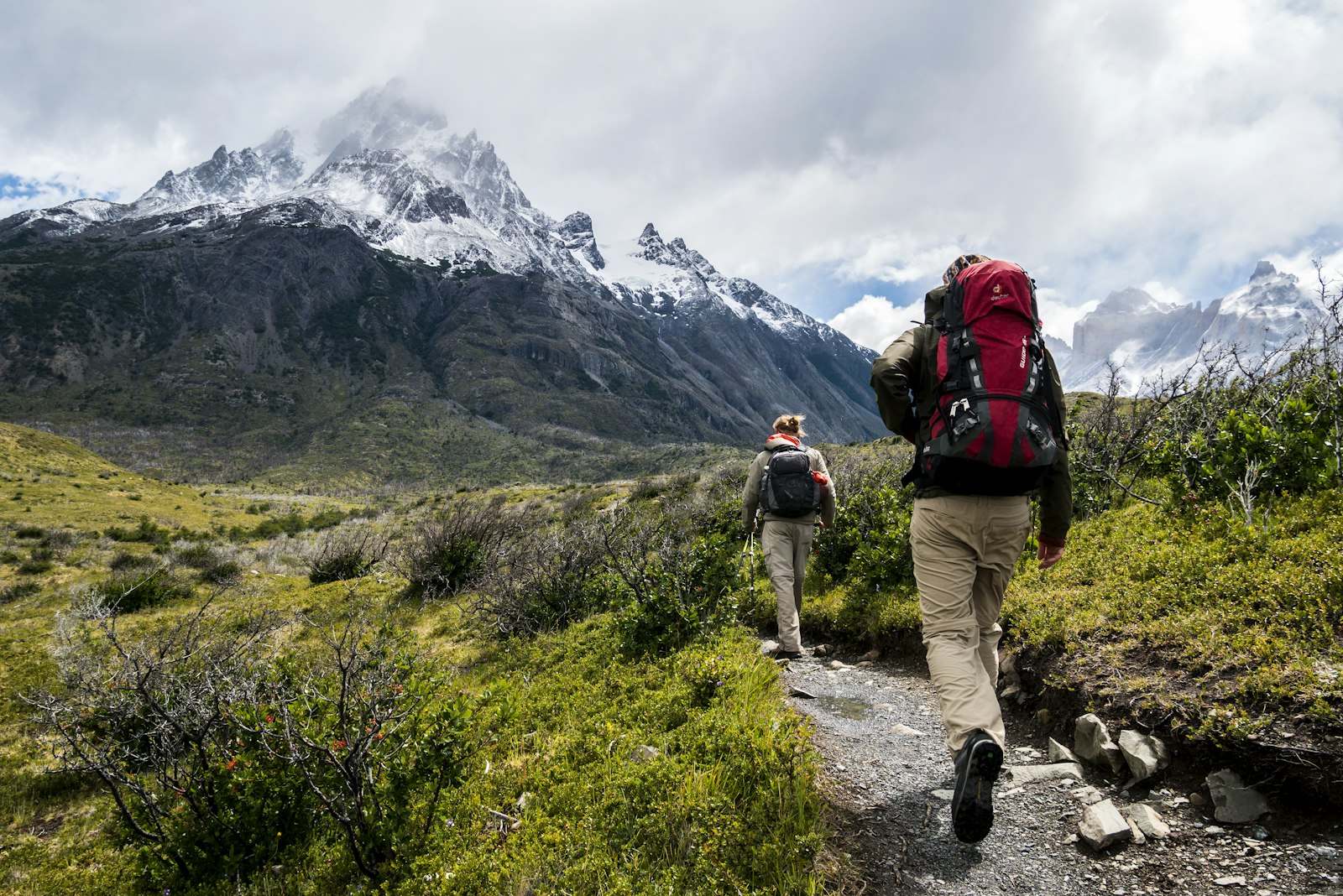
Most marathon disasters in heat aren't fitness failures — they're acclimation failures. A 75°F race day costs an unacclimated runner 5–10% of their fitness. The same day costs an acclimated runner 1–3%. The difference is two weeks of deliberate work. Here's the protocol.
What heat acclimation actually does
- Plasma volume up 5–10% — bigger reservoir for cooling and oxygen transport
- Sweat rate up 10–25% — better evaporative cooling
- Sweat sodium concentration down 30–60% — less electrolyte loss
- Core temp at given effort down 0.3–0.5°C — direct performance benefit
- Heart rate at given effort down 5–10 bpm — better economy
The 14-day protocol
Goal: 60–90 minutes per day of elevated core temperature exposure. Outdoor running in the heat works if you have it. Indoor alternatives: hot yoga, sauna, hot bath after training, or treadmill in extra layers. The stimulus is heat strain — the modality doesn't much matter.
Sample week 1
- Day 1: 45' easy run in heat — heart rate elevated, no pace targets
- Day 2: 20' sauna after normal training
- Day 3: 60' easy run in heat
- Day 4: 25' sauna after training
- Day 5: 45' easy + 20' sauna
- Day 6: long run, easy aerobic, take the heat in the second half
- Day 7: 30' sauna or hot bath
Week 2 progression
Same structure, but extend heat exposure 10–15 minutes per session. By day 10, expect noticeably lower HR at the same pace. By day 14, the same heat that wrecked you on day 1 feels like a normal workout day.
Hydration during acclimation
Plasma volume gains require fluid + sodium loading. Add 500–1000ml extra water daily, plus an extra 1–2g sodium. Weigh in pre-/post-session to track sweat losses — replace 100–125% of body weight lost within the next 3 hours.
The heat doesn't care about your fitness. It cares about your plasma volume, your sweat rate, and how many times you've made your body work in it.
Race-day execution in heat
- Adjust goal pace: +2–4% per 5°F above 60°F
- Pre-cool: ice slurry 30' before start drops core temp 0.5°C
- Mid-race cooling: ice in cap, water on neck/wrists at every aid station
- Fueling unchanged — carbs don't care about heat
Common acclimation mistakes
- 01Trying to do it in 5 days — fitness gains plateau before adaptation kicks in
- 02Hammering workouts in heat — easy effort, hot exposure; intensity in heat = injury
- 03Skipping hydration — under-fueled acclimation = no plasma gains
- 04Acclimating then taking 2 weeks off — adaptation fades fast without maintenance
Questions athletes ask about this
- How long does heat acclimation take?
- Meaningful adaptation begins after 5–7 days; near-complete adaptation after 10–14 days of consistent daily exposure.
- Does sauna training work for marathon heat prep?
- Yes — 20–30 minutes post-workout sauna 4–5 days per week produces measurable plasma volume and HR adaptations comparable to outdoor heat exposure.
- Should I run hard during heat acclimation?
- No. Keep efforts easy. The goal is heat stress, not training stress. Intensity in heat is how you get injured or sick.
- How long does heat acclimation last?
- Full decay happens in 2–3 weeks without exposure. Maintain with 2 sessions per week if you have a long gap before your race.
- What's the temperature pace adjustment for races?
- Add roughly 2–4% to your goal pace per 5°F above 60°F. A 3:00 goal in 75°F becomes 3:06–3:12 even for an acclimated runner.
Want this kind of thinking applied to your training?
Free 20-minute call. We'll talk about your race, your timeline, and whether 1:1 coaching is the right next step.
Book a discovery callEndurance coach since 2015. RRCA-certified, USAT Level II, TrainingPeaks Level 2. 12× Boston Marathon qualifier. Based in Fenway, Boston — coaching athletes worldwide in English, Portuguese, and Spanish.
Read full bio
Boston Marathon Course Strategy: Mile-by-Mile From Hopkinton to Boylston
The Boston course punishes anyone who treats it like a flat marathon. Here's the mile-by-mile plan I give every BQ athlete I coach — pacing, fueling, and the four hills that decide your race.