Marathon Fueling Strategy: The Carb Math That Wins the Last 10K
Bonking isn't fitness — it's fueling. A practical breakdown of carb intake, hydration, and the gut training that lets you actually hit your goal pace at mile 22.
Marathon bonks aren't almost always a fitness problem. They're a fueling problem masquerading as a fitness problem. The newest research is clear: athletes who can comfortably ingest 60–90+ grams of carbs per hour finish faster, more evenly, and feel dramatically better in the final 10K. Here's how to actually do it.
The carb math
Your body stores roughly 400–500g of glycogen in muscles + liver — about 1600–2000 kcal. At marathon pace you burn 700–1000 kcal/hour. Without ingestion, you run out somewhere between miles 18 and 22 for most runners. That's the wall. The fix isn't grit; it's exogenous carbs.
Modern intake targets
- Slower marathoners (4:00+) — 45–60g carbs per hour
- Mid-pack (3:00–4:00) — 60–80g carbs per hour
- Sub-3:00 — 80–100g carbs per hour, often higher
- Elite marathoners — 100–120g per hour with new dual-source carbs (glucose + fructose)
Carb loading before race day
The 3-day load: 8–10g carbs per kg body weight per day, taper training to almost nothing. For a 70kg runner, that's 560–700g of carbs daily. Pasta, rice, bread, fruit, juice, sports drinks. Cut fiber the day before the race to reduce GI risk. Salt aggressively.
Race morning
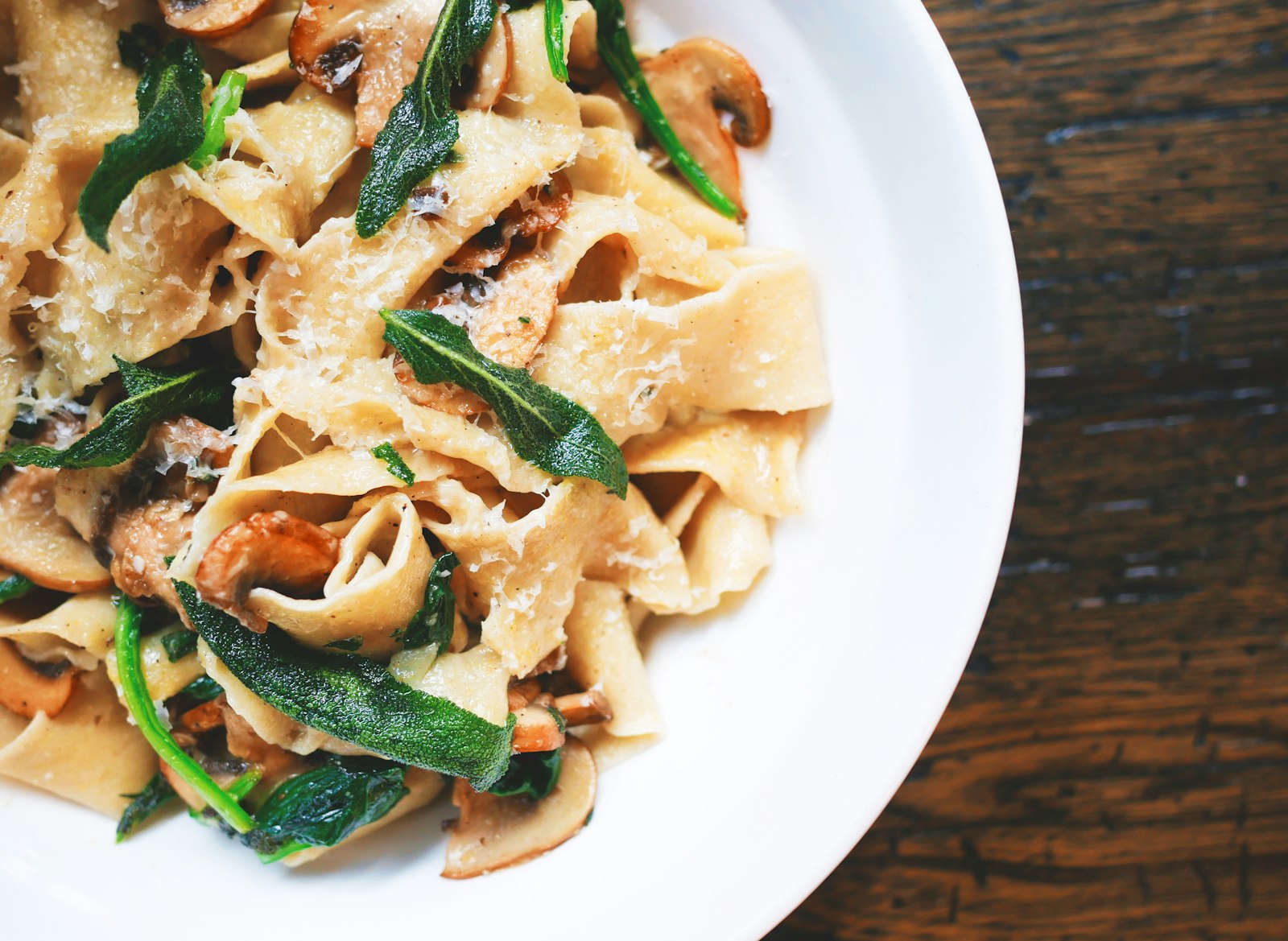
3 hours pre-start: 100–150g carbs, low fiber, low fat, low protein. A standard option: 1 cup oatmeal with banana + honey + a sports drink. 15 minutes pre-start: one gel, sip of water. You're starting topped off, not hungry, not gut-stressed.
Gut training
Most athletes can't handle 90g/hr the first time they try. The gut adapts — but only if trained. Add 10–15g per hour to your long-run fueling every 2 weeks until you hit your race target. By race day, 90g/hr should feel routine, not experimental.
What to take and when
- Standard gel = 22–25g carbs each — one every 25–30 minutes if you're targeting 60g/hr
- High-carb gel (40g+) — one every 30 minutes for 80g+/hr
- Sports drink at every aid station — adds 15–25g per cup
- Cola in the last 10K — caffeine + glucose, gut-friendly when nothing else sits well
Bonking isn't fitness. It's bad math, taken at 26.2 miles.
Hydration and sodium
Drink to thirst, but plan for 400–700ml/hr in moderate conditions, 600–900ml in heat. Sodium losses run 500–1500mg/L of sweat — heavy sweaters need an extra cap or salt stick every hour. Hyponatremia (low sodium) is the dangerous one, not dehydration. Don't gulp plain water; drink sports drink or pair water with electrolytes.
Common fueling mistakes
- 01Taking the first gel at mile 8 — too late, you're already drawing down stores
- 02Skipping pre-race fueling because of nerves — practice eating with race-morning nerves in training
- 03Trying a new gel brand on race day — gut tolerance is brand-specific
- 04Drinking only water — invites hyponatremia and undermines carb absorption
Questions athletes ask about this
- How many gels should I take in a marathon?
- Most runners need 6–10 gels (one every 25–30 minutes) plus sports drink at aid stations. Faster runners pushing 80g+/hr take more.
- When should I take my first gel?
- 15–20 minutes into the race, then every 25–30 minutes after. Don't wait until you feel low — by then it's too late.
- Can my gut handle 90g of carbs per hour?
- Yes, with training. Use dual-source (glucose + fructose) gels and build up over 6–8 long runs. Native tolerance varies but most athletes can train to 80–100g/hr.
- What's the best pre-race breakfast?
- 100–150g carbs, low fiber, low fat, 3 hours before start. Oatmeal + banana + sports drink is the classic. Test it in training, not on race day.
- Should I take caffeine during a marathon?
- Yes — 100–200mg total, split across 2–3 caffeinated gels, starting around the halfway mark. Don't take it all at once and don't try caffeine for the first time on race day.
Want this kind of thinking applied to your training?
Free 20-minute call. We'll talk about your race, your timeline, and whether 1:1 coaching is the right next step.
Book a discovery callEndurance coach since 2015. RRCA-certified, USAT Level II, TrainingPeaks Level 2. 12× Boston Marathon qualifier. Based in Fenway, Boston — coaching athletes worldwide in English, Portuguese, and Spanish.
Read full bio

Fueling the Long Ride: A Practical Carb Strategy
How many grams of carbs per hour, when to start, and what to do when your gut shuts down at hour three.